
How to Keep Your Joints Healthy with Exercise and Diet | Best Orthopedic Doctor in Varanasi
Introduction: Why Joint Health Matters
Joints are the silent heroes of our body, allowing us to walk, run, bend, and move with ease. Yet, most people don’t think about joint health until problems like stiffness, pain, or arthritis appear. The good news? By combining smart exercise routines and a nutrient-rich diet, you can protect your joints and keep them strong for years to come. For personalized guidance, consulting the Best Orthopedic Doctor in Varanasi can provide tailored advice for maintaining joint health.
Understanding Joint Function and Common Issues
What Are Joints and How Do They Work?
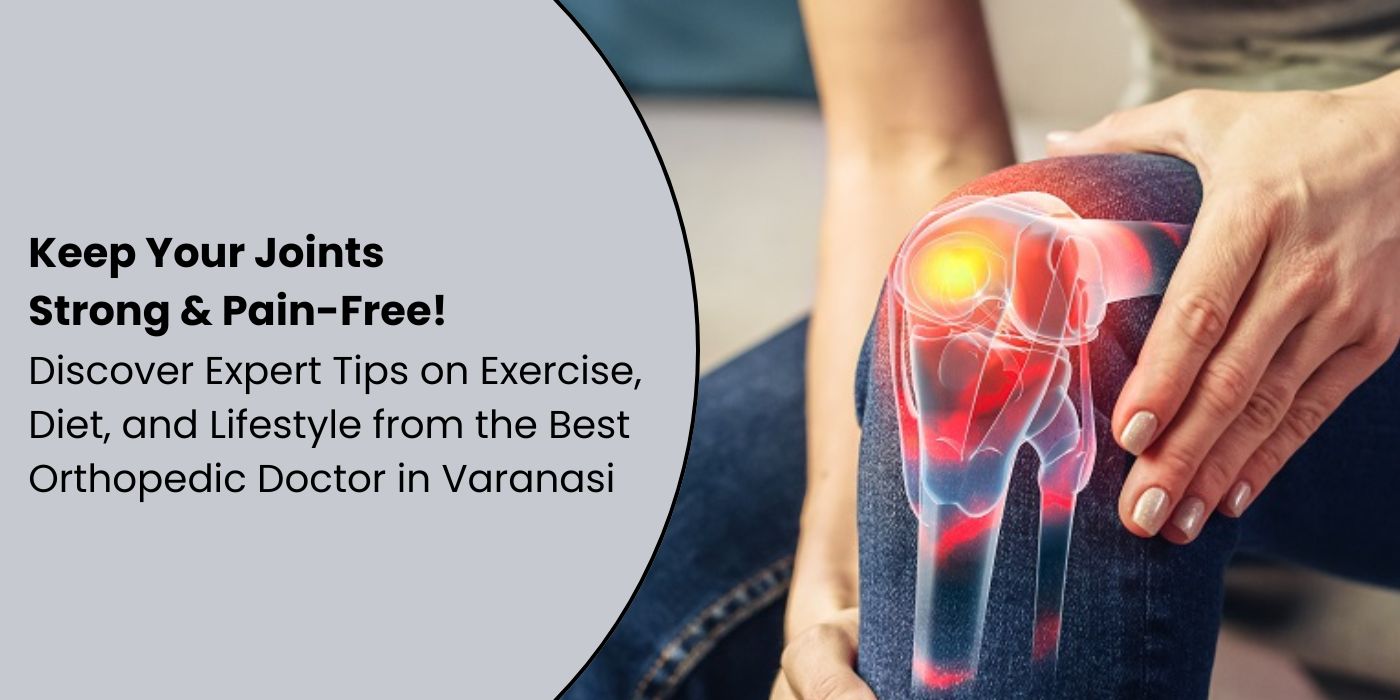
Joints are the connections between bones, cushioned by cartilage and lubricated with synovial fluid. This system allows smooth, pain-free movement. But when joints become inflamed or damaged, discomfort and mobility issues arise.
Common Joint Problems (Arthritis, Stiffness, Injuries)
- Osteoarthritis: Wear-and-tear damage to cartilage.
- Rheumatoid arthritis: An autoimmune condition causing inflammation.
- Joint stiffness: Often linked to inactivity or aging.
- Sports injuries: Sprains, dislocations, or ligament tears.
If you experience persistent joint pain, visiting the Best Orthopedic Doctor in Varanasi can help diagnose the underlying cause and prevent long-term damage.
Role of Exercise in Maintaining Joint Health
Low-Impact Exercises for Joints
High-impact workouts may strain joints, but low-impact exercises strengthen muscles while reducing stress. Examples include:
- Walking
- Cycling
- Swimming
- Yoga
Strength Training and Joint Protection
Building strong muscles around joints provides extra support. Focus on:
- Resistance bands
- Bodyweight exercises
- Light weightlifting
This reduces injury risk and improves stability.
Flexibility and Stretching Exercises
Stretching enhances mobility and prevents stiffness. Include:
- Gentle yoga poses
- Dynamic warm-ups before workouts
- Static stretches after exercise
How Diet Influences Joint Health
Anti-Inflammatory Foods for Healthy Joints
Inflammation is the enemy of joint health. Add these foods to your diet:
- Fatty fish (salmon, mackerel): rich in omega-3s
- Berries: packed with antioxidants
- Olive oil: a healthy fat for reducing inflammation
- Leafy greens: loaded with vitamins
Vitamins and Minerals for Joint Support
- Vitamin D: strengthens bones and reduces joint pain
- Calcium: essential for bone density
- Vitamin C: supports collagen production
- Magnesium: helps with muscle and nerve function
Foods to Avoid for Better Joint Function
Limit:
- Processed foods
- Sugary drinks
- Excessive red meat
- Trans fats
These can trigger inflammation and worsen joint pain.
Lifestyle Habits That Protect Your Joints
Maintaining a Healthy Weight
Extra weight puts stress on joints, especially the knees and hips. Even losing 5–10 pounds can reduce pain and improve mobility.
Proper Hydration and Joint Lubrication
Water keeps joints lubricated by maintaining healthy synovial fluid levels. Aim for 8–10 glasses daily.
Posture, Ergonomics, and Daily Movements
Poor posture and awkward movements can strain joints. Simple adjustments like:
- Using ergonomic chairs
- Taking standing breaks during desk work
- Correct lifting techniques
…help prevent long-term damage.
FAQs About Joint Health
- What’s the best exercise for joint pain?
Low-impact activities like swimming, cycling, and yoga are ideal. - Can diet really improve joint health?
Yes! Anti-inflammatory foods and essential nutrients reduce pain and strengthen joints. - How much water should I drink for joint health?
At least 8–10 glasses daily, more if you exercise or live in a hot climate. - Are supplements necessary for joint care?
Not always, but glucosamine, chondroitin, and omega-3s may help if your diet lacks these nutrients. - Is running bad for joints?
Not necessarily. Proper shoes, technique, and surface choice make running safe for many people. - When should I see a doctor about joint pain?
If pain persists beyond a week, worsens, or limits daily activity, consult the Best Orthopedic Doctor in Varanasi.
Conclusion: Building a Joint-Friendly Lifestyle
Healthy joints don’t happen by accident—they’re built with daily choices. By combining low-impact exercises, strength training, flexibility work, and a balanced diet rich in joint-supporting nutrients, you can move freely, stay active, and enjoy life without joint pain. For personalized evaluation and expert guidance, visiting the Best Orthopedic Doctor in Varanasi ensures your joints stay healthy for years to come.